If you’re in Vancouver and looking for a unique weekend adventure, we highly recommend a kayak trip to the stunning Sechelt Inlet. This trip offers incredible value, breathtaking scenery, and an easy-to-follow itinerary, making it a perfect getaway for outdoor enthusiasts of all levels.
Getting to Sechelt
The journey to Sechelt is straightforward. We booked a ferry from Horseshoe Bay to Langdale, which takes about 40 minutes. From Langdale, a bus runs directly to Sechelt, adding another 40 minutes to the trip. Upon arrival, we spent the night in Sechelt, where you’ll find plenty of charming accommodations.
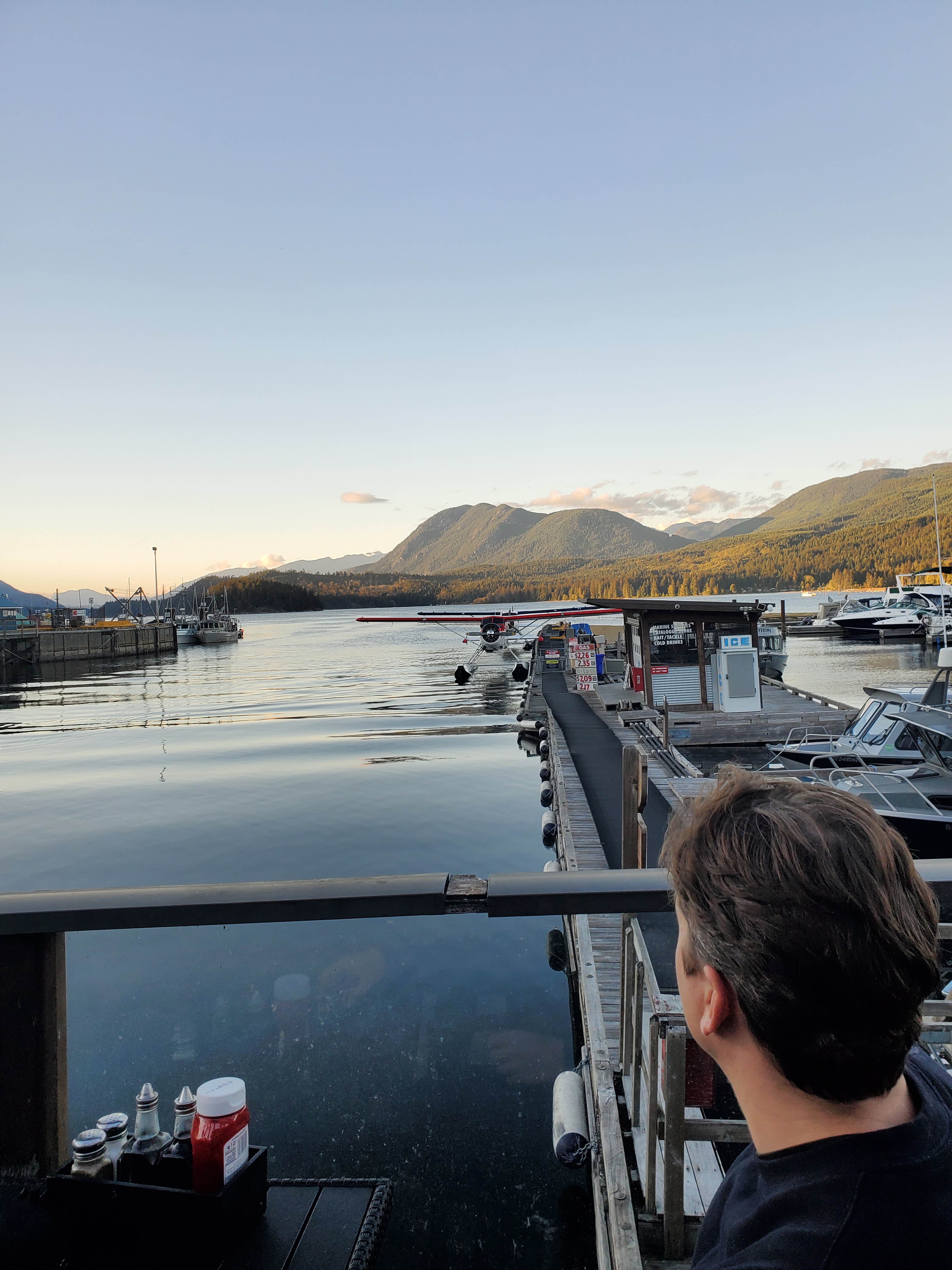
For dining, we enjoyed a meal at a waterfront restaurant overlooking the sea planes—a wonderful way to relax before setting off on the kayak adventure.
Recommended accomodation in Sechelt (everything in Sechlet is very expensive, so these are the good value places we stayed):
The Spot and Porpoise Bay (slightly more central)
Finally if you have time head to Earls Cove Orca View, a friend stayed there and said it was the most magical place, they saw orcas and humpbacks every morning over breakfast!
Kayak Rentals and Supplies
We highly recommend renting your kayaks from Pedals & Paddles, a well-reviewed outfitter that provided excellent service. Before heading out, we stocked up on supplies at one of Sechelt’s grocery stores, which had everything we needed for our trip. Firewood is available at a gas station, but for convenience, Pedals & Paddles also sells it.
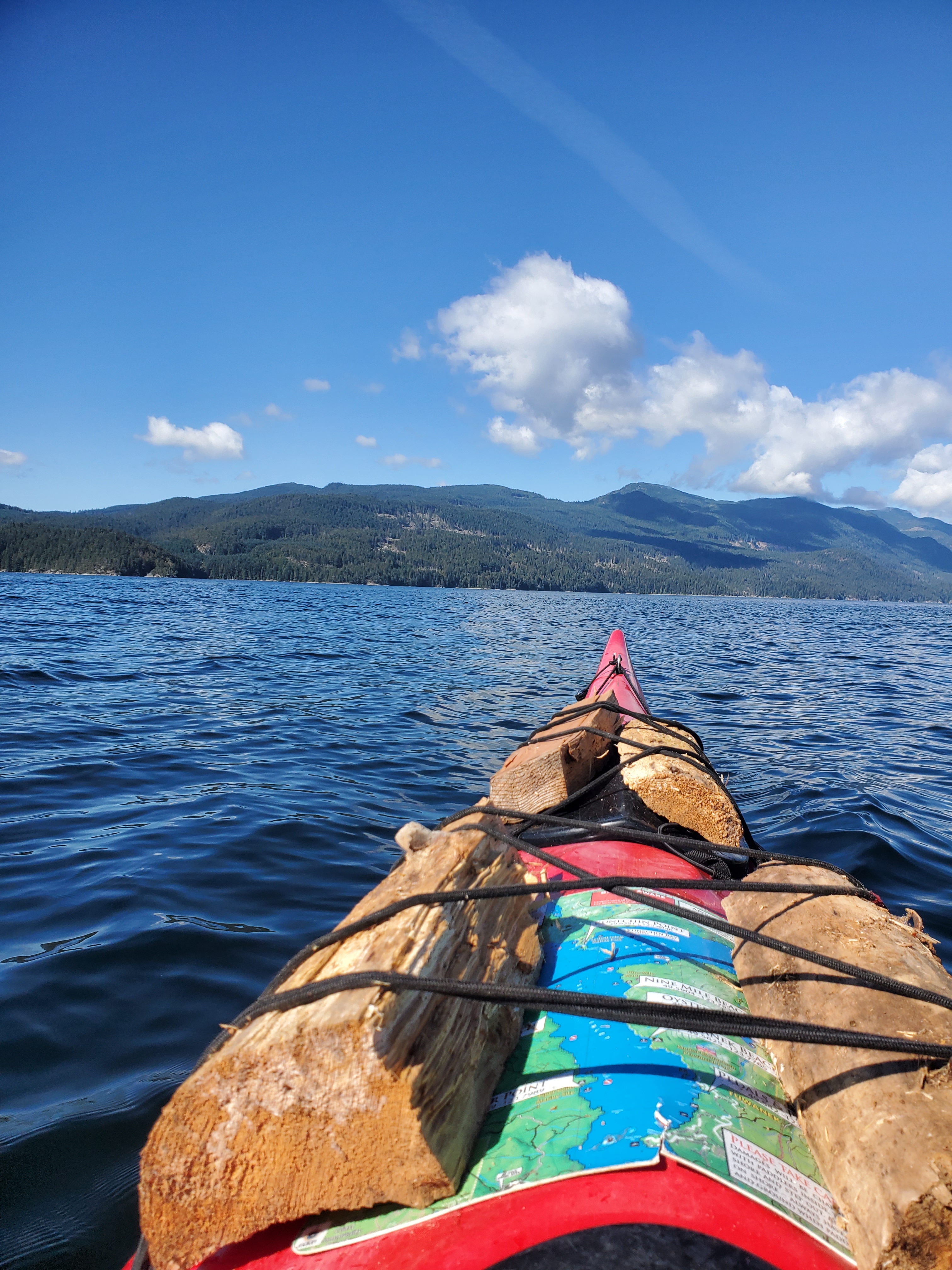
Upon rental, the staff at Pedals & Paddles provided a detailed map and highlighted different campsite options. It’s always a good idea to check with them for up-to-date conditions and campsite availability before setting out. They can also offer recommendations on where to stay before your trip, as they are familiar with local conditions. Additionally, if you need dry bags, they have a couple available for use.
Camping on Sechelt Inlet
Camping in Sechelt Inlet is first-come, first-served and free of charge. When we visited on a Thursday night in September, we had the campsites to ourselves. However, weekends tend to be busier, so arriving early and being prepared to paddle further for a secluded spot is recommended.
Facilities at the Campgrounds
The campsites are rustic, meaning there is no filtered water or flushing toilets. Below is an overview of each campsite and the facilities available.
At Piper Point, you’ll find a beach with space for two to three tents, a single pit toilet, and a fire ring where fires are permitted below the high tide line. A small creek can serve as a seasonal water source. This is the smallest campsite, directly across from Pedals & Paddles, featuring a large beach at low tide. It’s near the historic home site of Bergie, the “cougar lady,” but be aware that anchorage can be poor in certain wind conditions.
Tuwanek Beach offers a sandy shore with enough room for four to five tents. A pit toilet, a fire pit, and a bear cache are available. A nearby creek and a small waterfall provide a water source. Located about an hour’s paddle from Pedals & Paddles, this spot is ideal for a first break or a short overnight trip.
Skaiakos Beach is another option, though it lacks facilities, yet camping is still permitted.
Further along the inlet, Oyster Beach provides a beachside camping area that fits three to four tents. A pit toilet, a fire pit, and two creeks—one larger than the other—are available. Situated about 30 minutes past Tuwanek Beach, this site is easily recognizable by the blue buoys marking an oyster farm. The closest creek may dry up in summer, but a larger one is located further south.
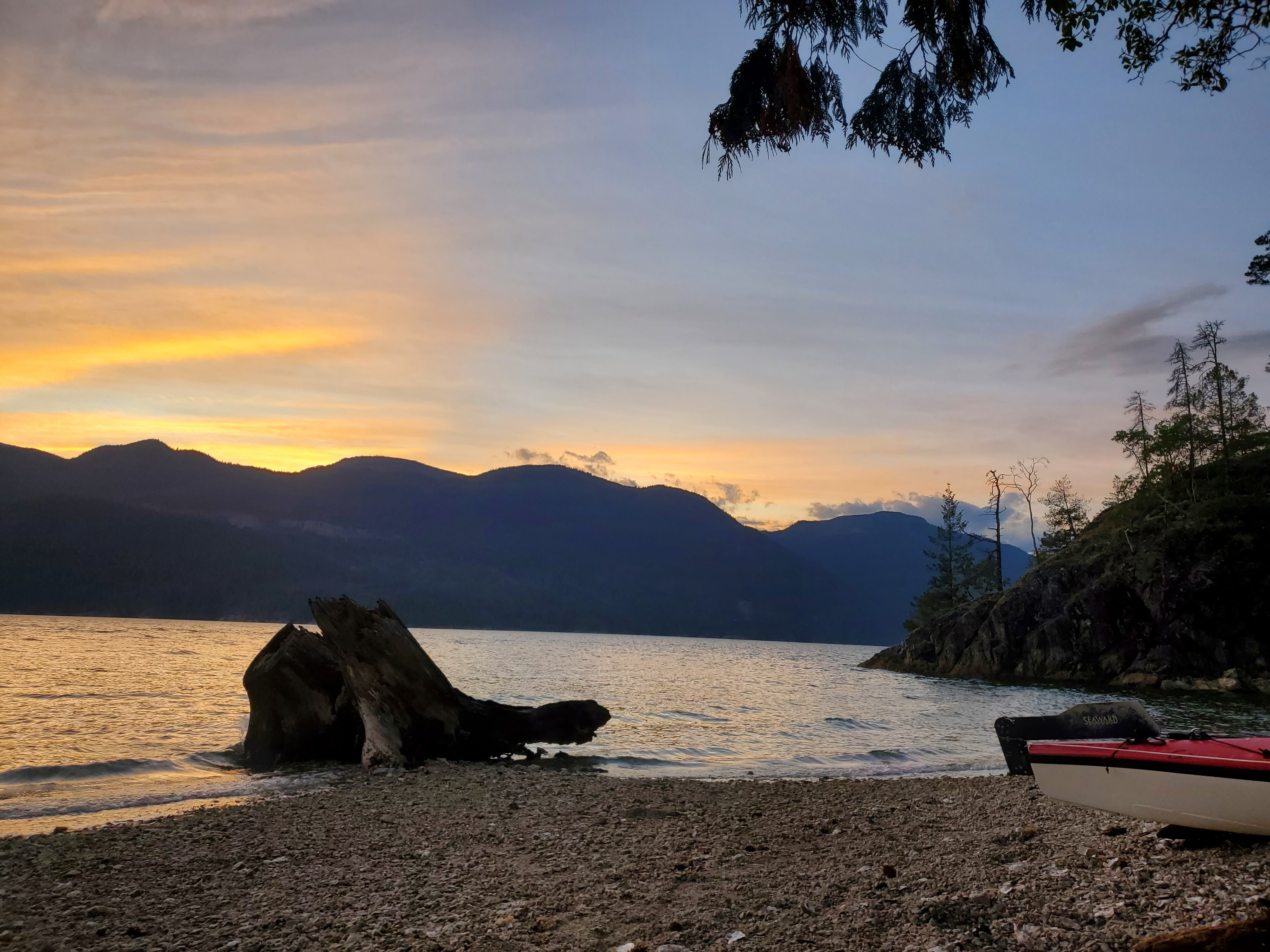
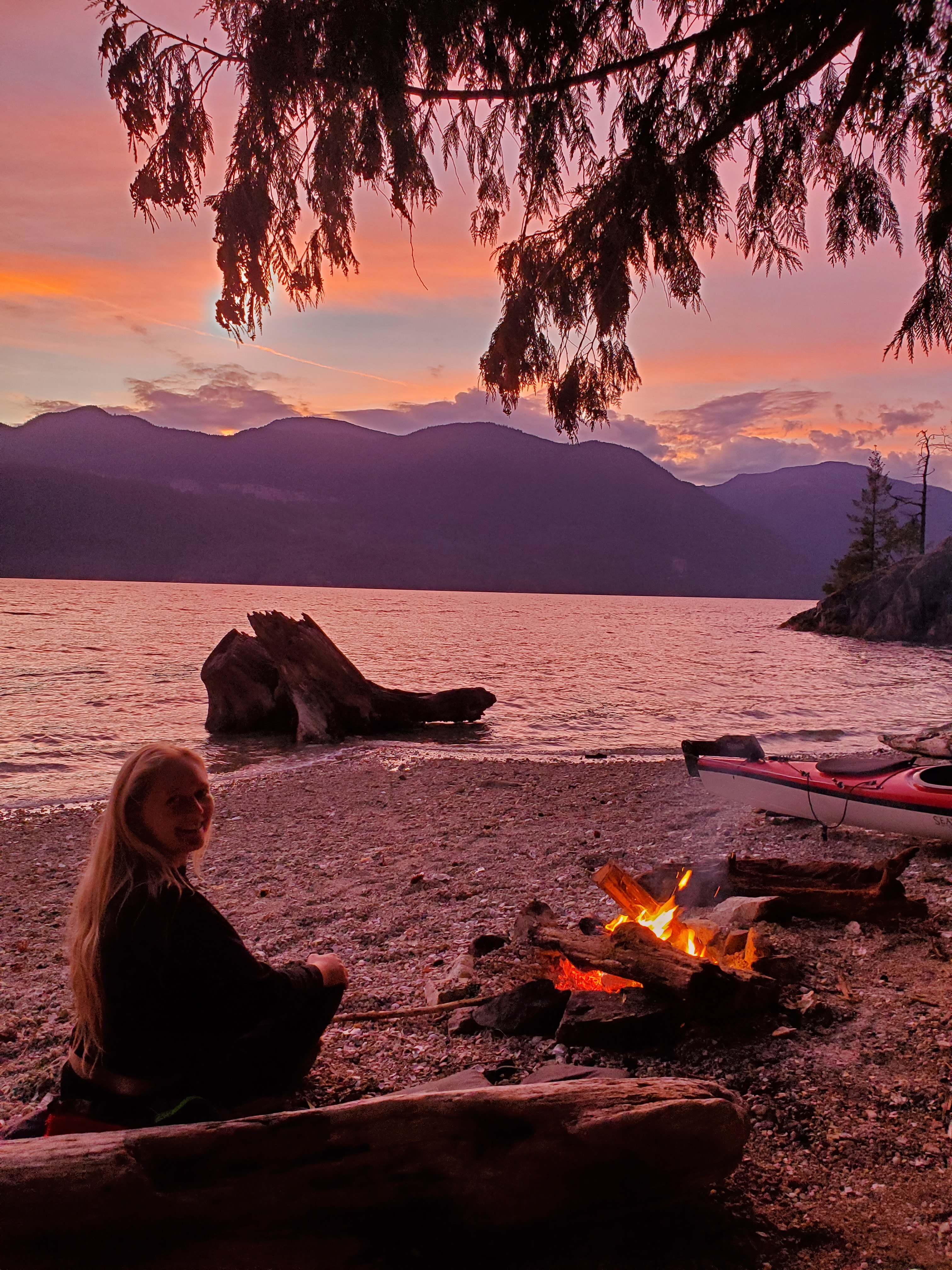
For those looking for a more expansive site, Nine-Mile Beach features a large beach with enough room for over ten tents. It is equipped with a pit toilet, two fire rings, and a creek, as well as bear caches for food storage. About a two-hour paddle from Pedals & Paddles, this location is known for its stunning sunsets and excellent stargazing, thanks to minimal light pollution.
Another excellent option is Halfway Beach, which offers a vast camping area with space for ten to fifteen tents. The site includes a pit toilet, a fire ring, a creek, and a bear cache. This location sits approximately halfway up Sechelt Inlet and boasts spectacular views of the glacier at the head of Salmon Inlet. Just offshore, a small island serves as a seal colony—paddle around for a chance to see seals basking on the rocks from a safe distance.
A lesser-known spot near Halfway Beach features a tidal lagoon, offering a unique camping experience. This site has a bear cache and a pit toilet but lacks a designated fire pit. The surrounding scenery is breathtaking, and at high tide, the lagoon fills with clear, calm water, creating an ideal place to swim or relax.
Kunechin Point presents a unique camping experience with no beach, just two designated tent pads on a stony outcrop and space for four more tents nearby in Kunechin Bay. A pit toilet is available, but no fires are permitted, and there is no water source. While the views here are incredible, the area is susceptible to strong winds from Salmon Inlet, which can make crossing difficult.
Thornhill Beach is another remote and challenging-to-reach site. The rocky shoreline offers limited space, with room for only two tents. A pit toilet and a small creek are present, but strong winds from Salmon Inlet can make access difficult.
For those venturing farther into the inlet, Tzoonie Beach provides a more secluded option with a stony shoreline and space for up to ten tents. A pit toilet, a fire ring, and a bear cache are available, and a small creek serves as a water source, though it can be tricky to locate. This is one of the more remote campsites, so bringing extra water is recommended.
Additional Notes on Camping in Sechelt Inlet
Bear safety is essential, and many campsites have bear caches—always use them for food storage. Creeks may dry up in late summer, so bring a filtration system or extra water. Fires are only permitted at designated fire pits and below the high tide line. Wind conditions can change suddenly, especially in Salmon Inlet, so it’s a good idea to monitor the Coast Guard Radio Weather channel for updates.
Final Thoughts
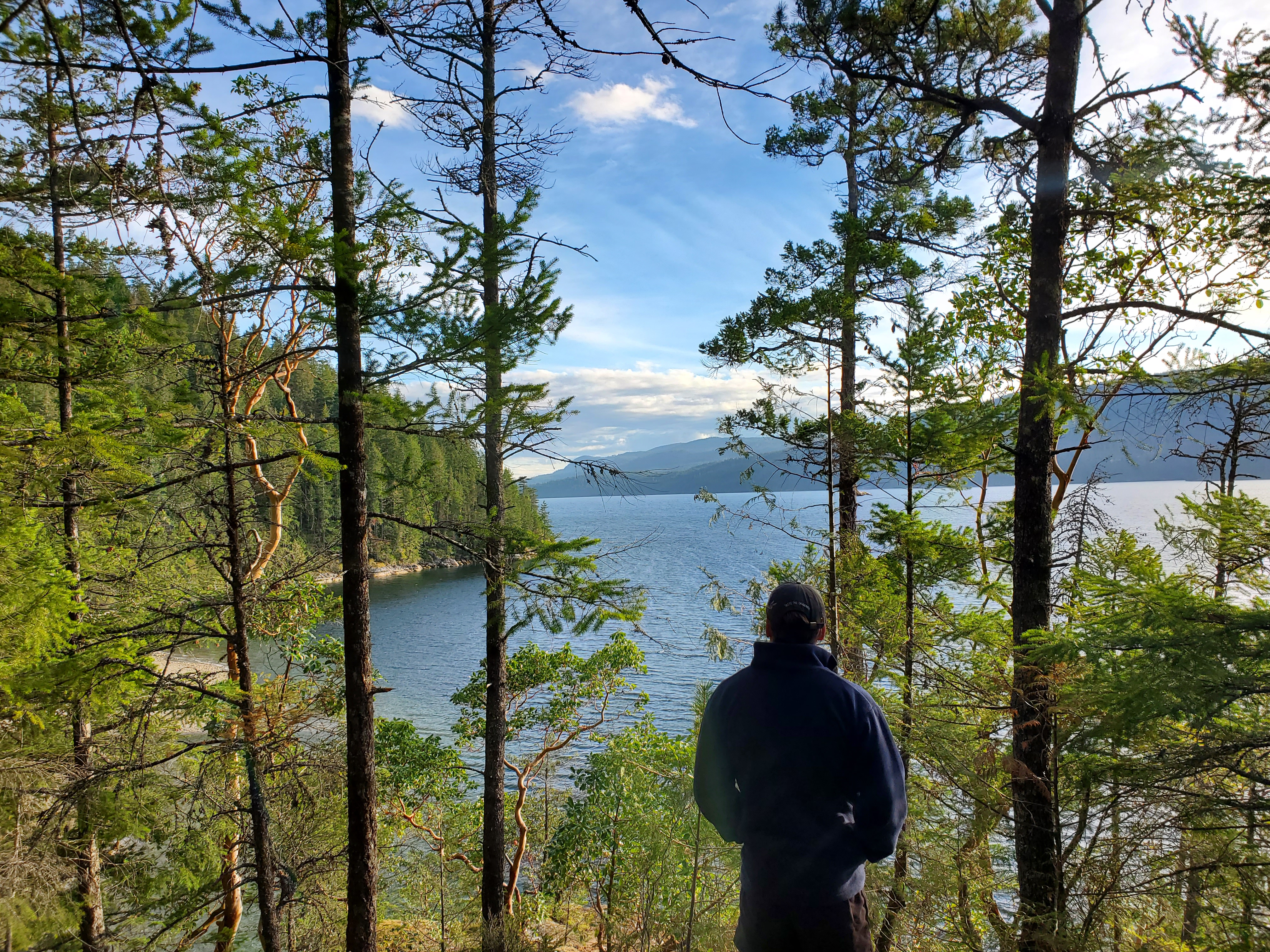
Kayak camping on Sechelt Inlet is a fantastic way to explore British Columbia’s coastal beauty. Whether you’re looking for a short overnight trip to Tuwanek Beach or a multi-day adventure to Nine-Mile or Halfway Beach, the journey offers a mix of relaxation, wildlife encounters, and remote camping experiences.
With free campsites, accessible water sources (seasonally), and stunning natural scenery, this is an ideal weekend getaway for paddlers of all experience levels. Plan accordingly, pack efficiently, and enjoy the peaceful waters of Sechelt Inlet.

 Annual Leave Explorers
Leave a comment