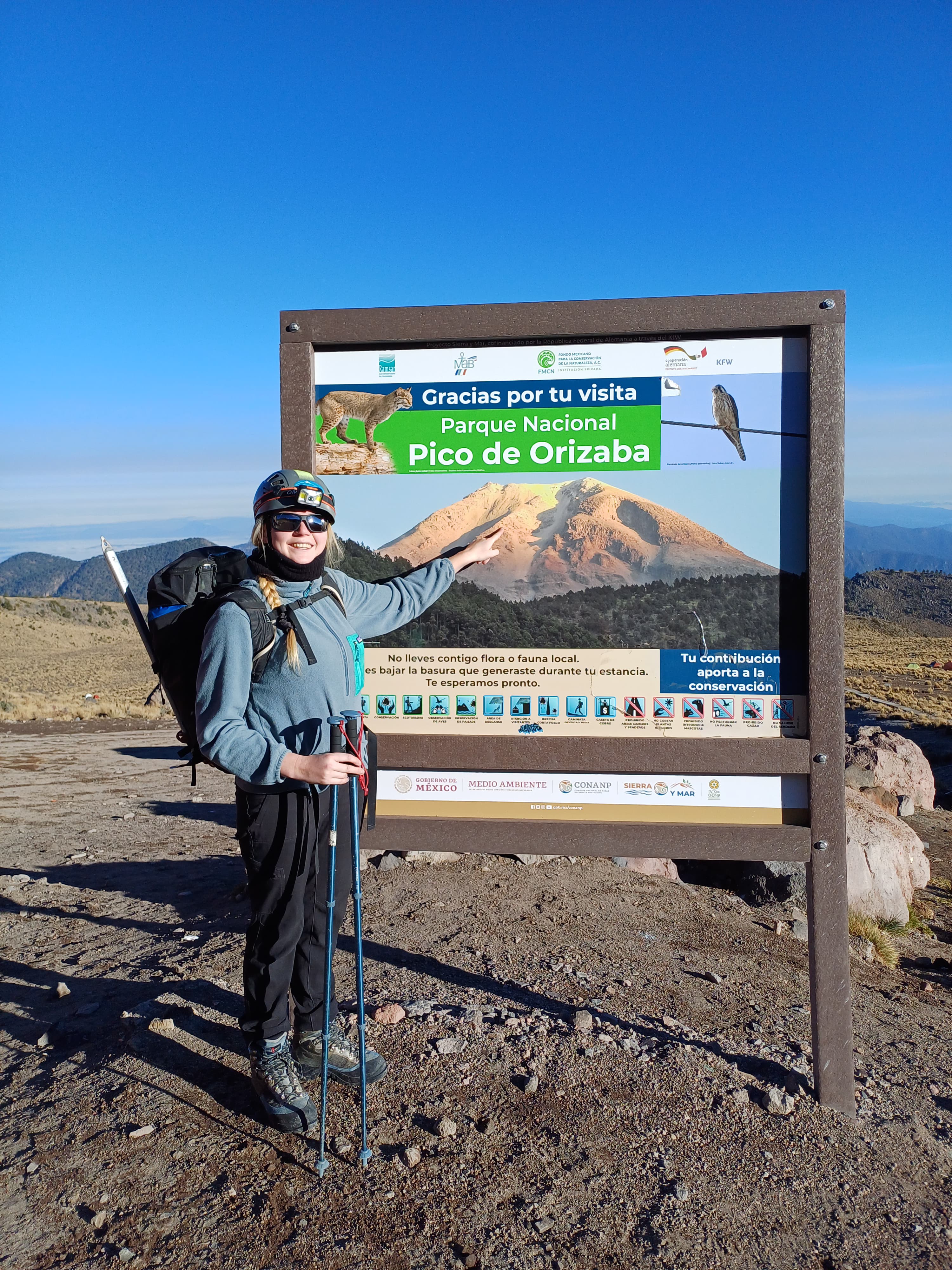
Have you ever heard of Pico de Orizaba? If not, you’re not alone—this giant volcano is surprisingly under the radar despite being the third-highest mountain in North America. Standing at an impressive 5,636 meters (18,491 feet), it’s a beast of a climb, but what makes it so unique is how accessible it is. Just a couple of hours from Puebla and about three from Mexico City, you can literally drive all the way to base camp—a rare treat for a mountain of this size. That means you can focus more on the climb itself and less on days of trekking just to reach the starting point.
Choosing a Guide
If you’re eyeing a glacier climb like Pico, I’d 100% recommend hiring a guide unless you’re super experienced. Knowing the mountain, the glacier, and the safest routes is vital. When I went, about 50 people were climbing, so the paths were visible, but it’s not something you want to leave to chance.
I went with 3 Summits, and they were absolutely brilliant. From the moment I booked, they set up a WhatsApp group where I could fire off questions, and they tailored the trip to my timeline and budget. While I did consider other companies, one cheaper option raised some red flags—encouraging me to climb without proper acclimatization or preparation. Trust your gut when it comes to safety, and don’t skimp when you’re climbing at this altitude!
The (Inevitable?) Acclimatization Struggle
Here’s the kicker: I didn’t actually make it to the summit. But don’t click away just yet—this is where you can learn from my mistakes! I was optimistic (read: overconfident) after reading success stories online and thought a week in Mexico City (2,400m) and two days at base camp (4,000m) with a short acclimatization hike would cut it. Spoiler alert: it didn’t.
Altitude sickness isn’t just a mild headache; it can make you feel faint, dizzy, and unable to see straight—which is not ideal when scaling a glacier. By 5,200m, I physically couldn’t go on. The rest of my group, who had climbed other high-altitude peaks like La Malinche and Izta before attempting Pico, had no such issues. Lesson learned: climbing above 5,000m beforehand is key.
If you’re planning this adventure, take your acclimatization seriously. Try climbing La Malinche (4,461m) and Izta (5,230m) first, everyone who climbed Izta beforehand made it to the top, there were some people who had only climbed La Malinche and they did not make it. 3 Summits also offered a great three-day program that helped me adjust, but more prep would have made a world of difference.
Oh, and a quick note: guides discourage painkillers during the climb because you need to feel your symptoms—not mask them, so I recommend not taking painkillers until you are down the mountain. I did try a herbal remedy, ginkgo tablets, which didn’t cause any side effects, but it’s hard to say how much they helped.
Base Camp Basics
Base camp is simple and functional. There’s a large hut that can sleep about 40 people, though it gets noisy, so consider bringing your own tent for a better night’s sleep. Don’t forget cash for the permits you’ll need at checkpoints on the drive up—these look like random trucks parked on the road but are official stops, so be prepared. The guides sort the permits out for you so I am not sure whether these are something that need to be sourced in advance if you are climbing on your own.
The Climb: What to Expect
The climb began at 11:30 p.m. with a simple but much-needed breakfast of porridge and fruit. There were eight climbers in our group and five guides, which meant an excellent guide-to-climber ratio. This setup was invaluable, as it allowed flexibility—if someone needed to turn back, the rest of the group could continue without interruption. Knowing that you wouldn’t hold others back if you needed to stop was a big comfort, especially on such a demanding climb.
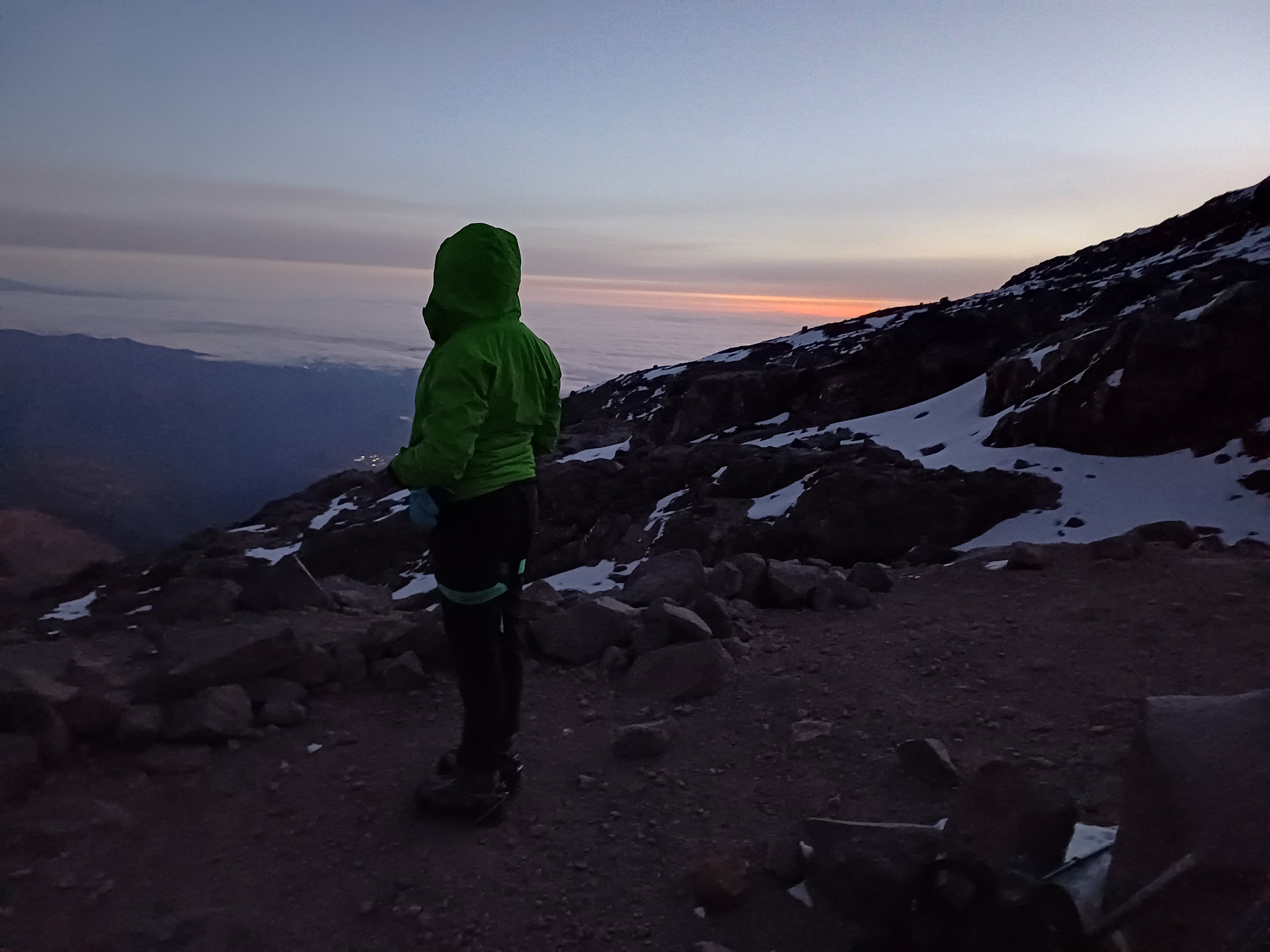
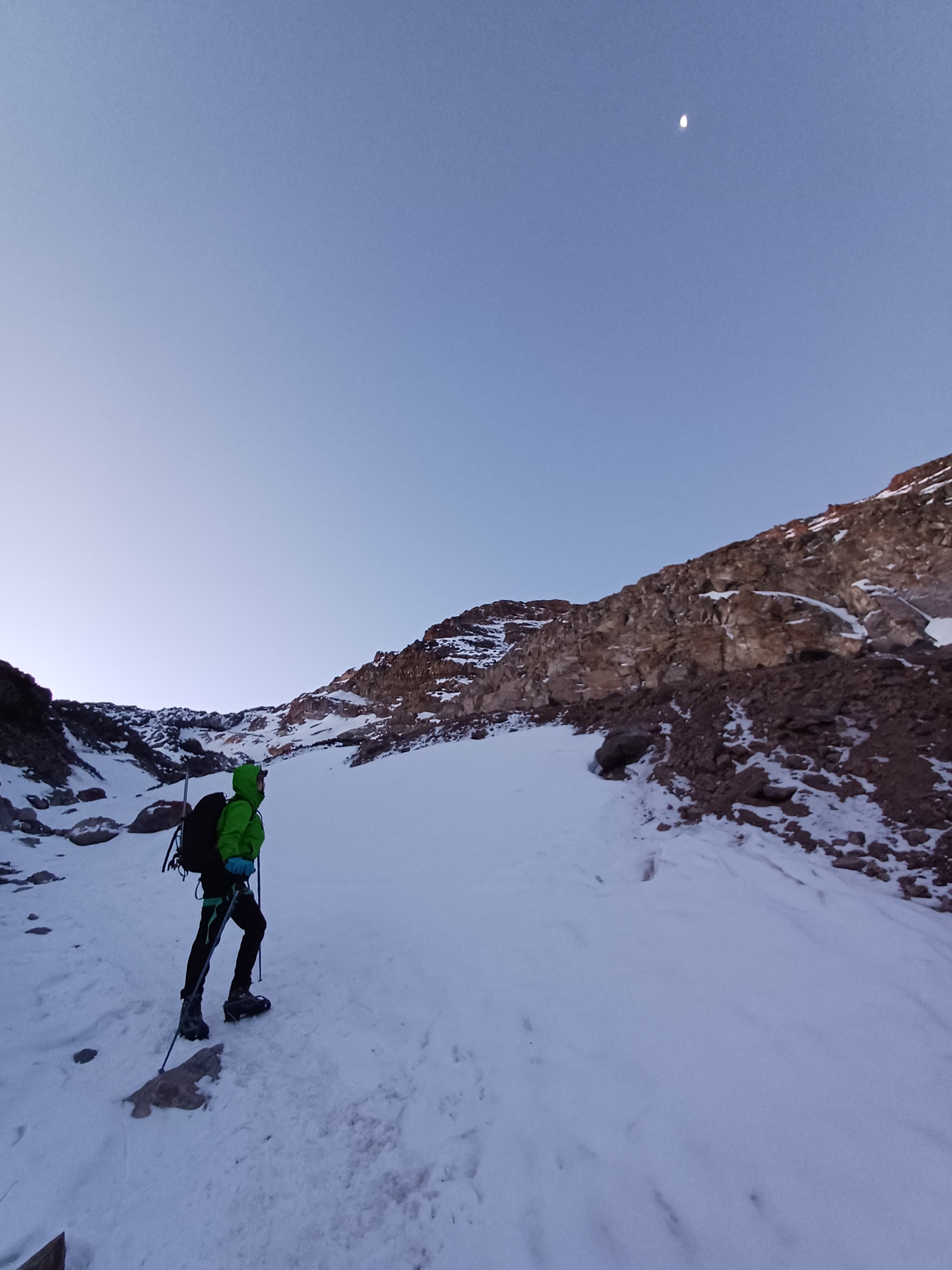
Stepping outside, the cold hit immediately—it was absolutely freezing, and every layer I had on felt necessary. But here’s the thing: as soon as you start climbing, your body warms up fast. So, even though it feels counterintuitive, it’s important to peel off extra layers early to avoid sweating too much. If sweat cools on your skin, it’ll make you colder later—a situation you don’t want to deal with at altitude.
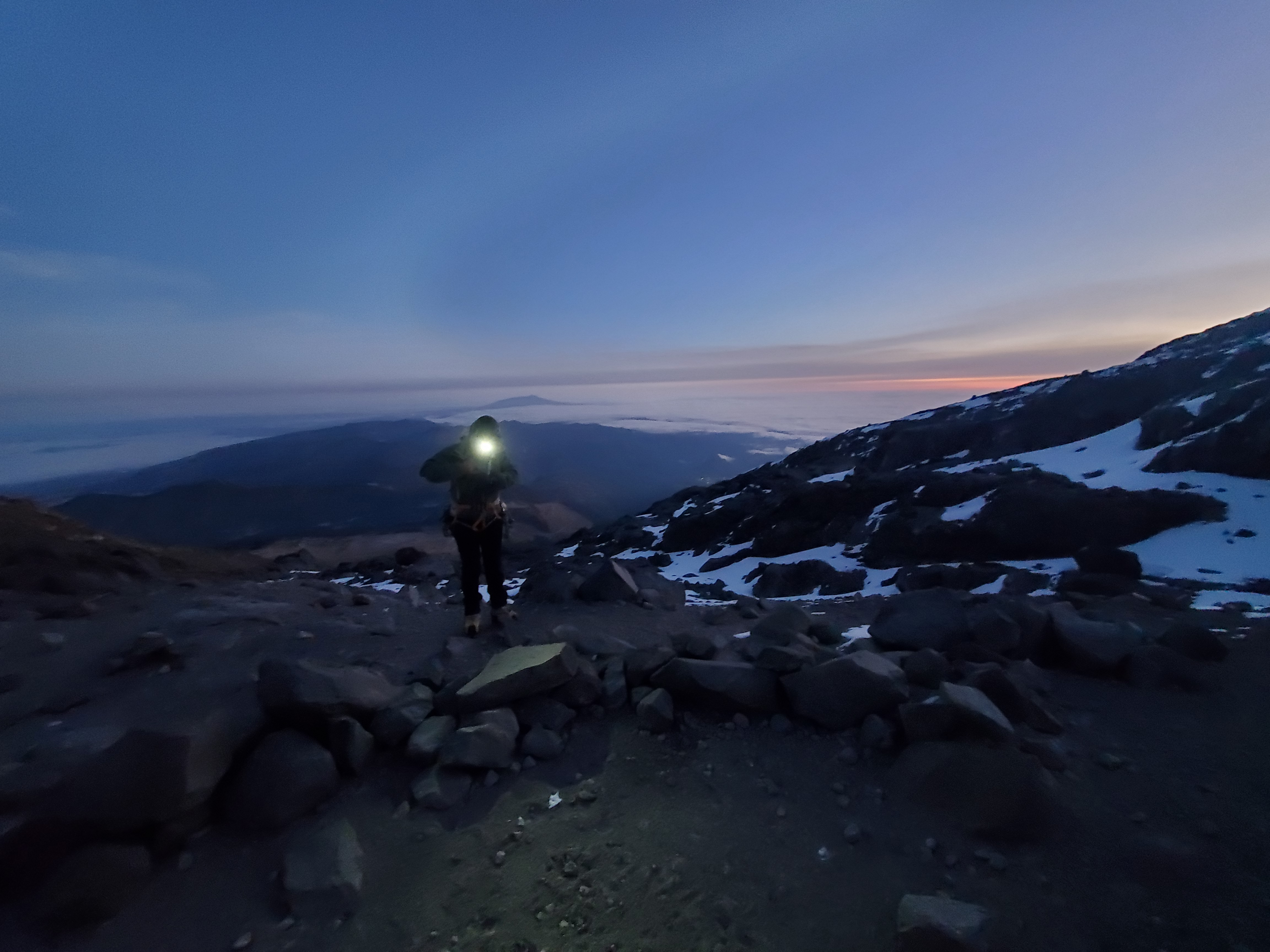
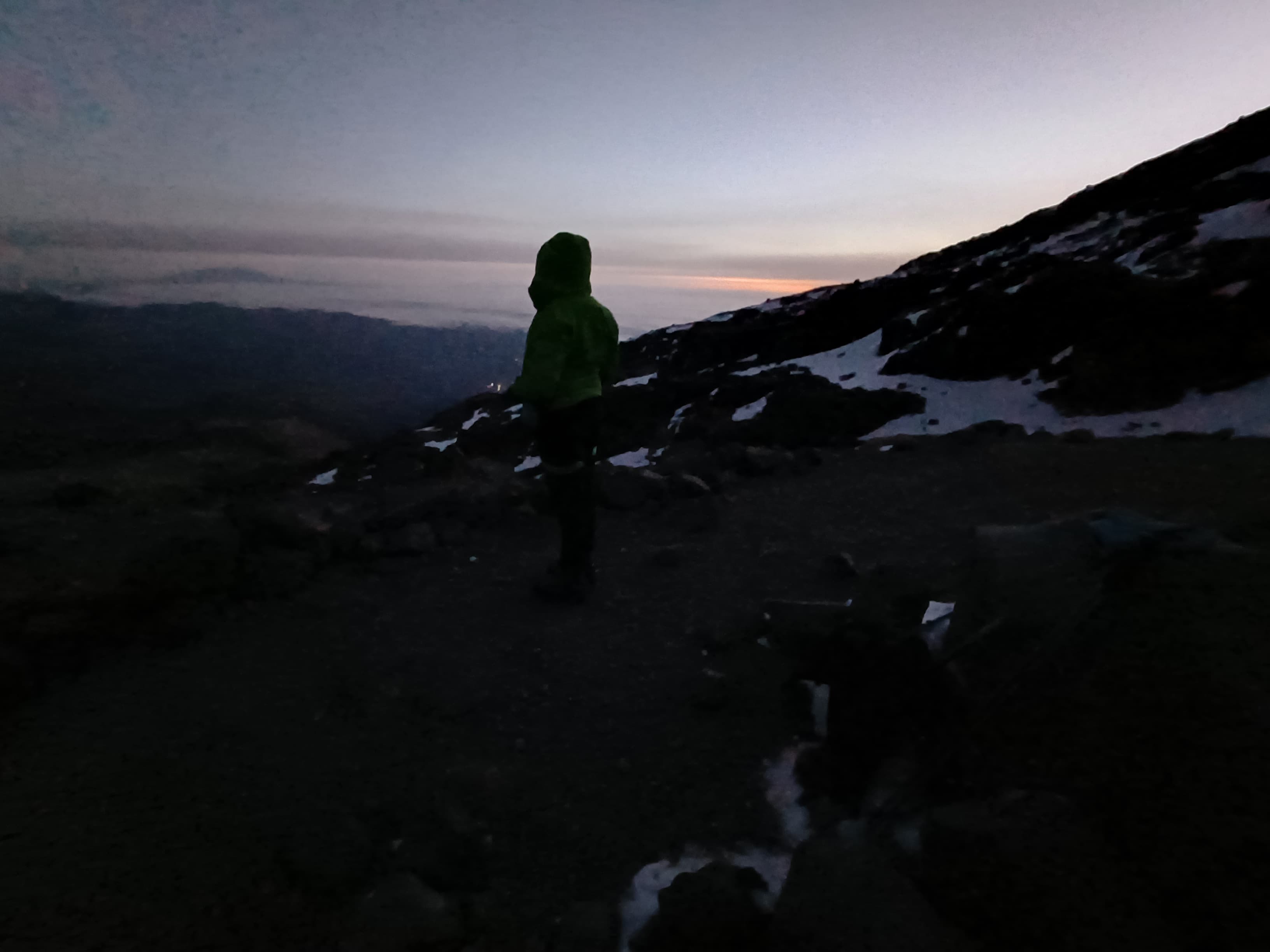
From the start, the path was pretty clear. Looking up the mountain, you could see the tiny beams of headlamps zigzagging their way upward, a quiet and almost magical scene against the pitch-black night. The climb was steep from the very beginning, so finding a slow, steady rhythm was key. This is where the guides really excelled—they set a sustainable pace for everyone, encouraging constant but manageable movement. The “rest step” technique (where you briefly lock your back leg straight to conserve energy) became my best friend, and the guides constantly reminded us to take breaks as needed.
As we gained altitude, the effects of the thin air became increasingly noticeable. Every step felt like it required twice the effort, and the slow pace became less of a choice and more of a necessity. The steep incline didn’t let up, but the terrain was solid hard rock, which made things easier than the loose scree and shale on Izta and La Mlainch. With this type of terrain, at least you weren’t sliding backward with every step—a small mercy on a climb like this. (A small note to say climbers who had the acclimatisation and had climb Izta beforehand said they much preferred Pico)
We eventually reached the snow line, where it was time to put on our crampons. I can’t stress this enough: don’t wait too long to gear up. I made the mistake of delaying, thinking I could save time by waiting until I absolutely needed them. By the time I stopped, I was so cold and tired that taking off my gloves to adjust my harness and crampons was almost unbearable. If you can, put everything on at the base of the snow line when you’re still relatively warm and have the energy to do it properly.
The snow stretched steadily upward until we reached the glacier. Despite being a glacier, it wasn’t riddled with crevasses, which was a relief—it felt similar to walking on the snow-covered slopes we’d just climbed. However, the steepness ramped up dramatically. This was the final push, and it was an all-out effort. The guides kept checking in on everyone’s condition, and because of the high guide-to-climber ratio, they could manage people individually. If someone needed to turn back, one guide could accompany them while the rest of the group continued climbing—a huge advantage for keeping the momentum of the climb going.
The last 1.5 to 2 hours on the glacier were the most grueling. The incline was relentless, and there was no protection or relief—just you, the mountain, and the climb. The altitude made every breath feel shallow, and it was clear why acclimatization is so crucial for success here.
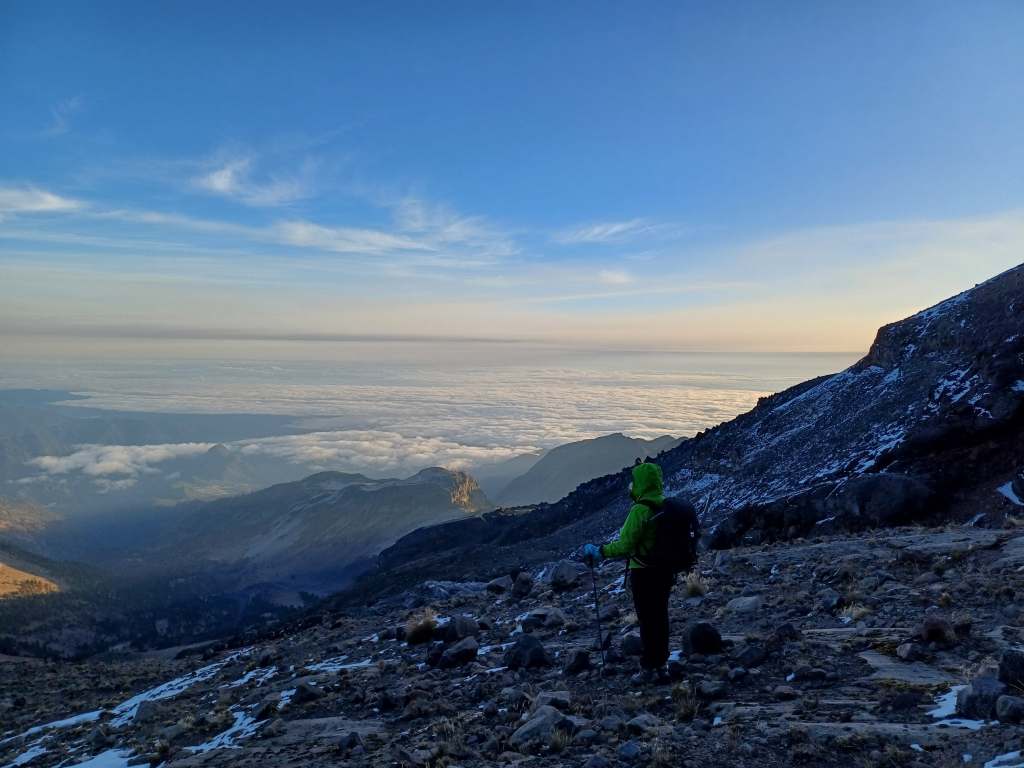
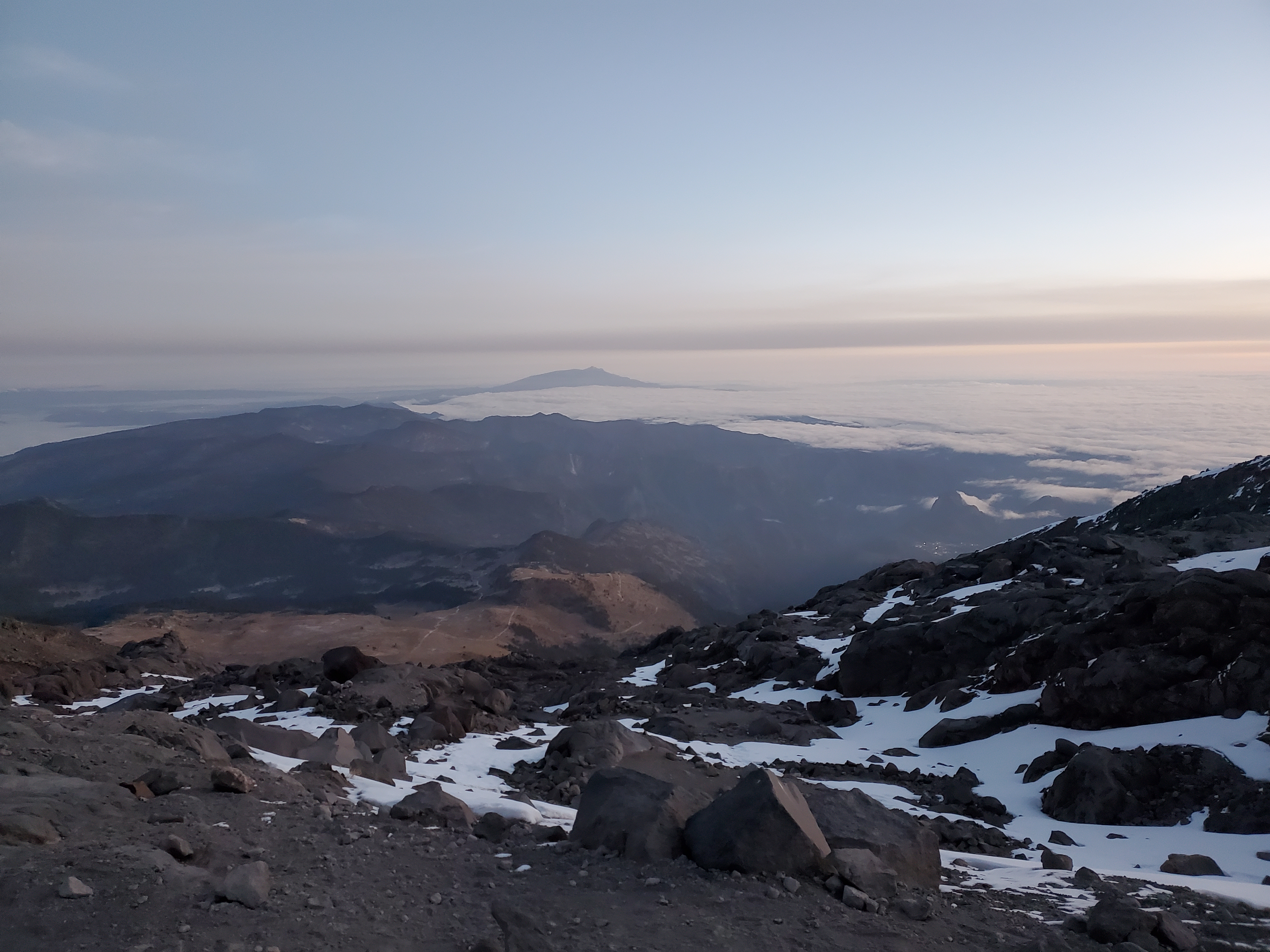
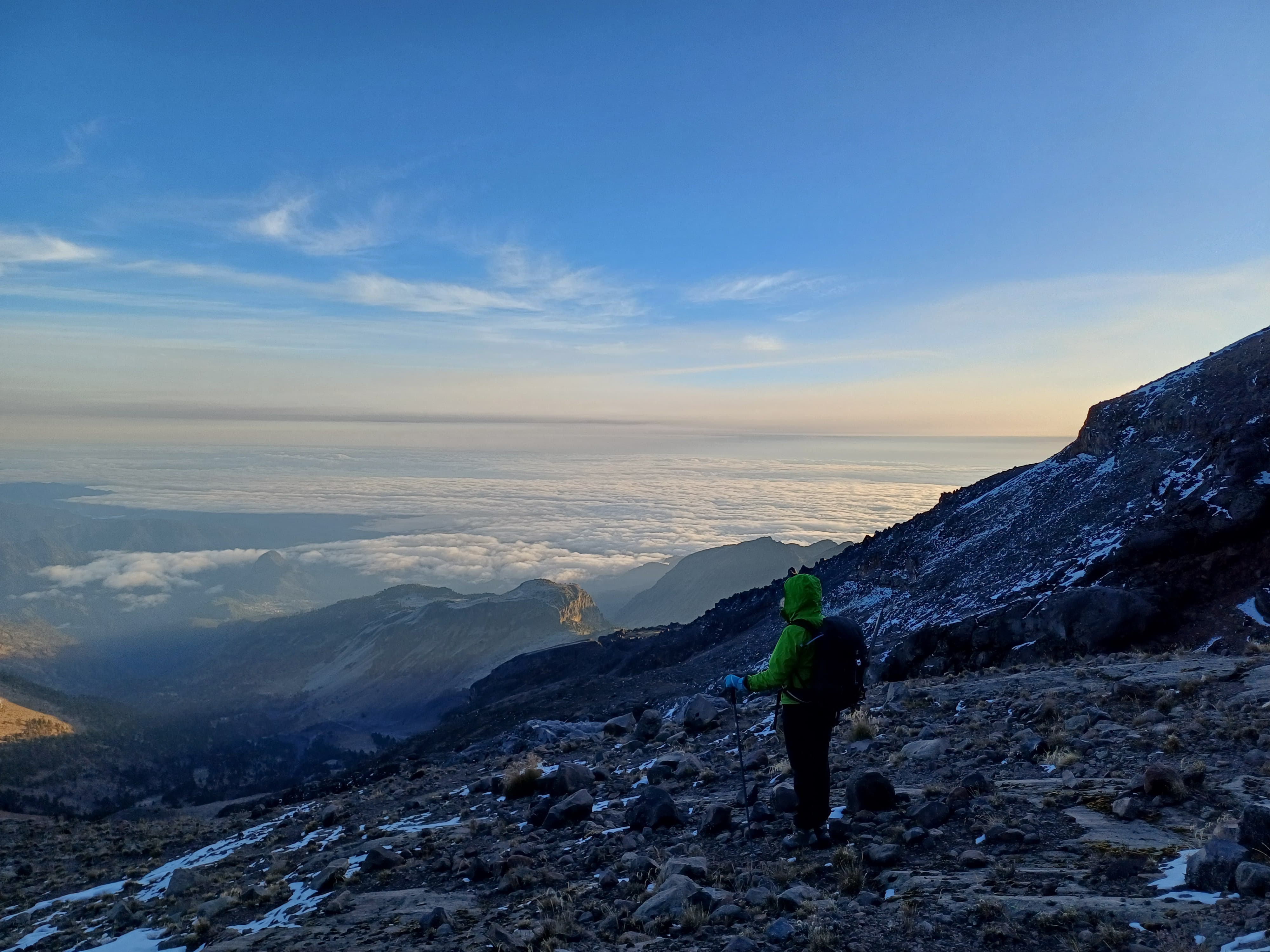
Then came the sunrise. As the first light spilled over the horizon, the view was like nothing I’d ever seen before. Clouds blanketed the valleys far below, but there were clear patches that revealed just how high we were. The golden light illuminated the snow and ice around us, apparently this is pretty standard weather here.
Unfortunately, this was where my journey ended. My guide had been incredible, pushing me just enough to keep me going while also knowing when it was time to stop. But I was too dizzy to stand properly. The altitude had taken its toll, and I couldn’t see straight anymore—it was time to turn around.
It was heartbreaking to stop so close to the summit, but safety always comes first. The climb had pushed me to my limits, and while I didn’t make it to the top, I gained a deep respect for the challenge and for everyone who takes it on. Watching others turn back throughout the climb made me realize just how tough Pico de Orizaba really is.
For those considering this adventure, my biggest takeaway is to take acclimatization seriously. Every single person who successfully summited that day had climbed Izta or another peak above 5,000m beforehand. Getting your body used to the altitude is critical—it’s not just about fitness, but about giving yourself the best chance to enjoy the experience and reach the summit safely.
This was my journey, but your experience might be different. Pico de Orizaba is a truly incredible mountain, and while I didn’t reach the top, I came away with unforgettable memories and a sense of accomplishment for how far I did get. Whether you’re a seasoned climber or someone looking for their next big adventure, this climb offers something truly special and accessible for anyone—just don’t underestimate the mountain!
What happened leading up to climb day for the 3 day 3summits programme:
Day 1: Puebla to the Village
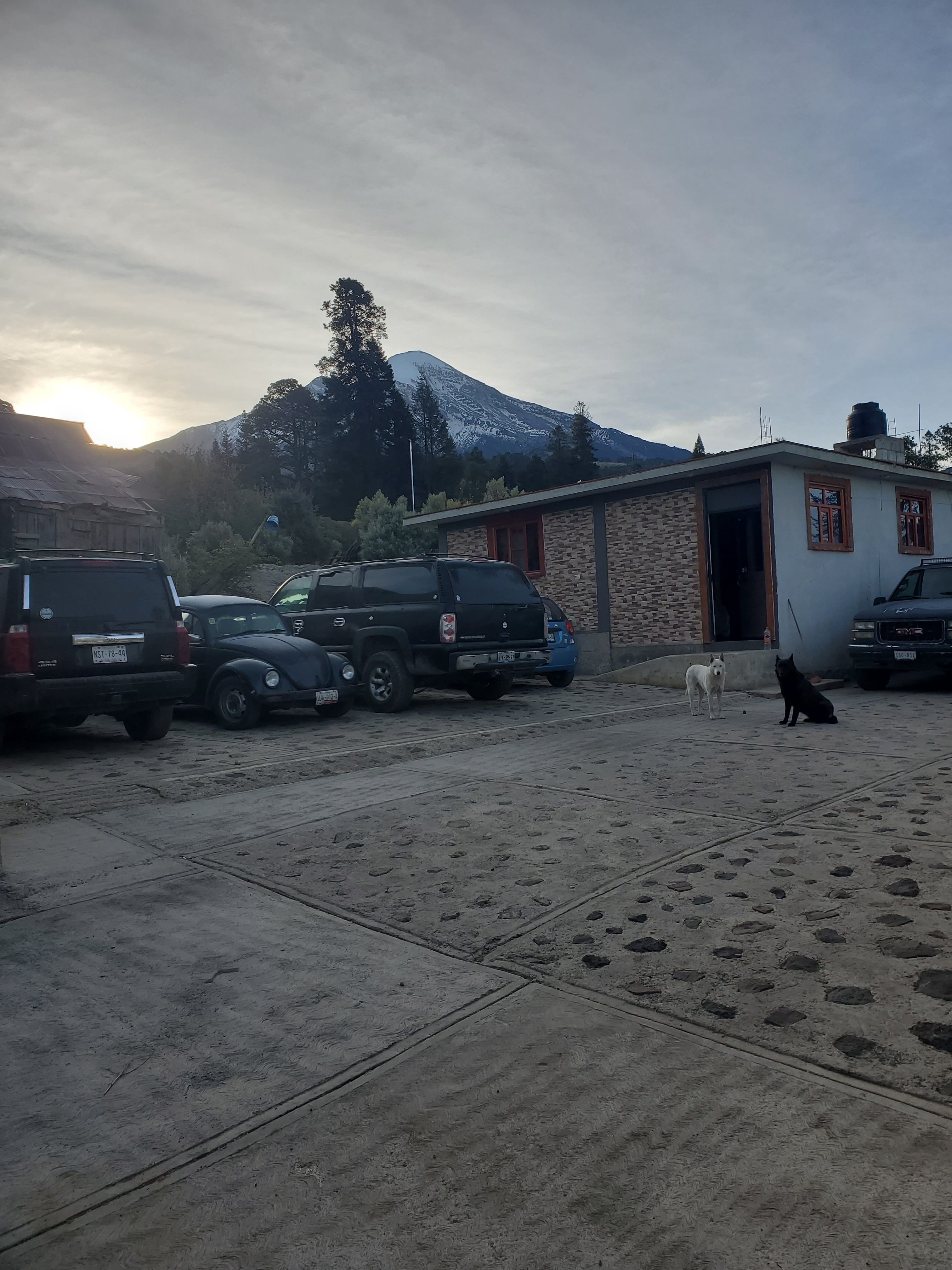
Our guide picked us up from Puebla—a group of three climbers and one incredibly friendly guide squeezed into the car. After a couple of hours, we arrived at a tiny mountain village nestled at about 3,800m. The lodge we stayed at was simple but charming: a small courtyard with an eating area, one room packed with bunk beds, and a cozy little space with two sofas. It wasn’t luxury, but it had all the essentials—and the setting more than made up for it.
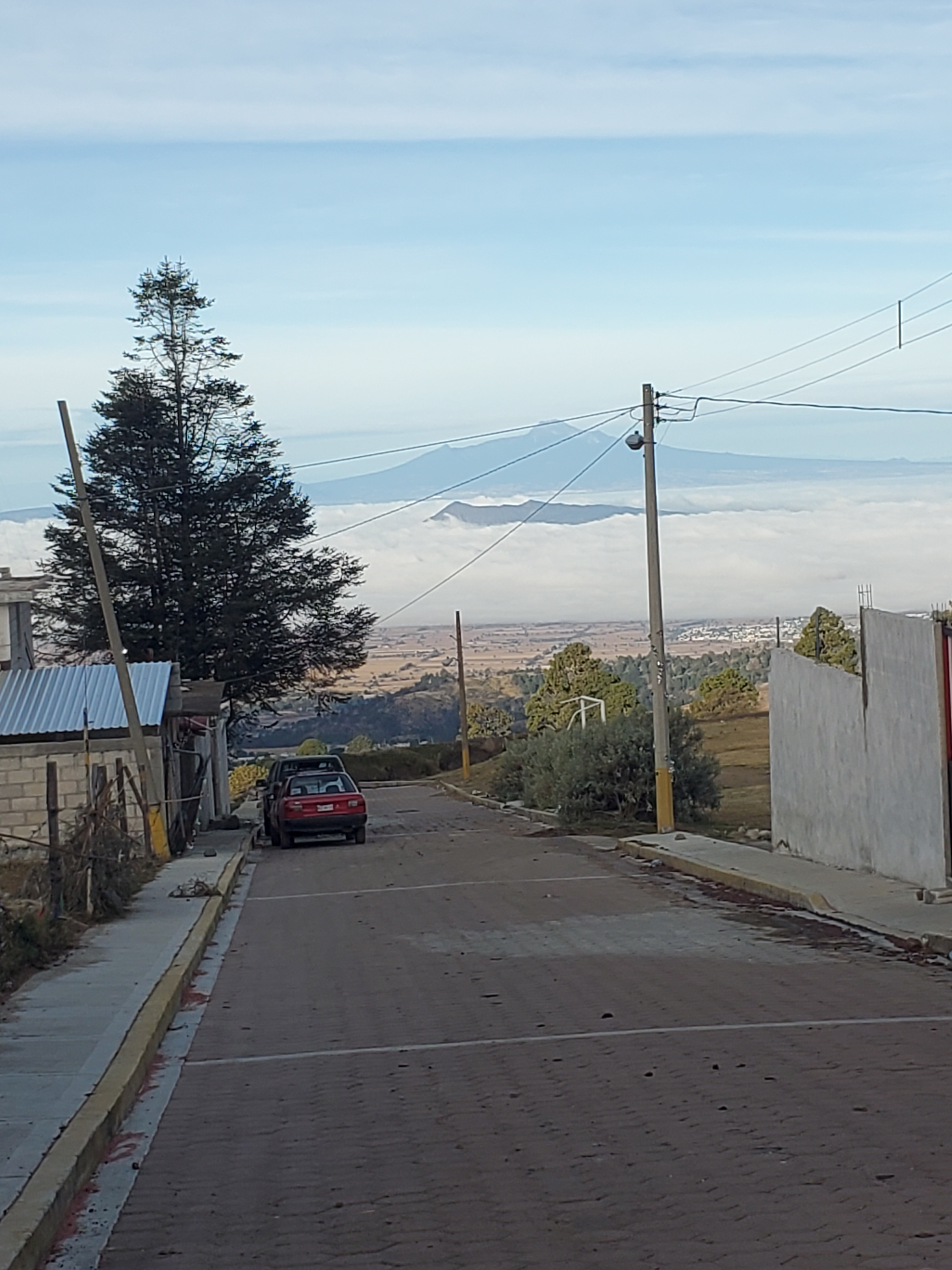
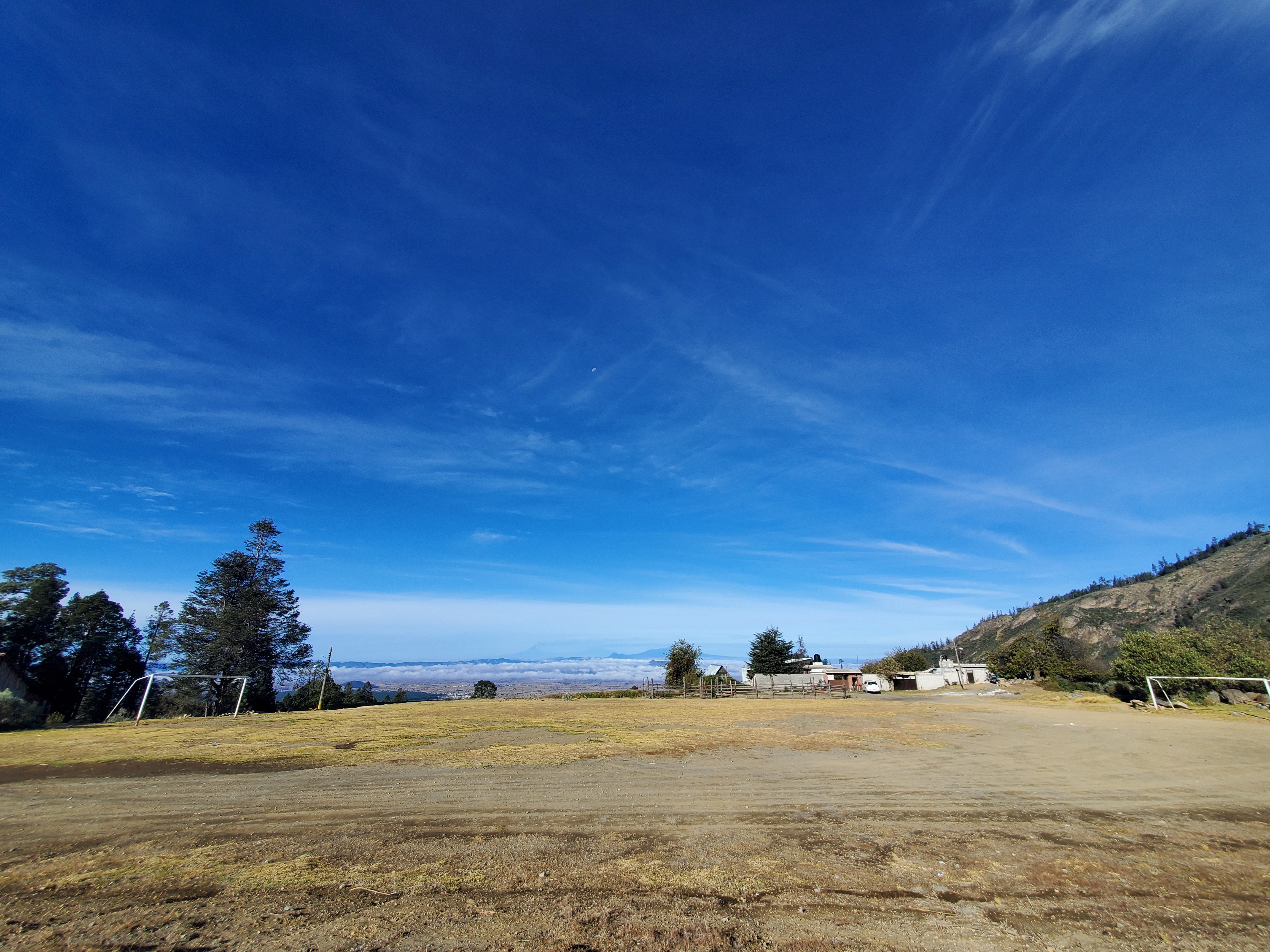
The village itself was lovely, full of friendly dogs running about and stunning views of nearby volcanoes and the valley below. Twice a day, we watched the sheep and goats take their daily walk through the village, a charming and peaceful scene that felt straight out of a postcard.
Later that day, we took a short 1.5-hour hike to some nearby waterfalls. The trail was gentle and simple—a great introduction to walking at altitude. While the waterfalls weren’t jaw-dropping, the lush green forest we strolled through was absolutely beautiful. Our guide was fantastic, keeping the pace slow to help us adjust to the altitude and chatting about life as we walked, making it feel like a relaxed, shared adventure.
After returning to the lodge, we were treated to a meal around 5 p.m.—was it a late lunch or an early dinner? Who knows, but it was absolutely delicious! The food was prepared by someone in the village, and while there was a bit of a language barrier (most people didn’t speak English), the hearty portions and flavors spoke for themselves. Snacks were plentiful throughout the day too, keeping us fueled and happy.
Day 2: Base Camp Bound
The next morning, we packed up and drove to base camp, sitting at the foot of Pico de Orizaba’s steep ascent. Base camp was a series of tents scattered around the mountain, with a mix of guides’ camps and shared spaces. It was functional and simple, designed to prepare you for what lay ahead.
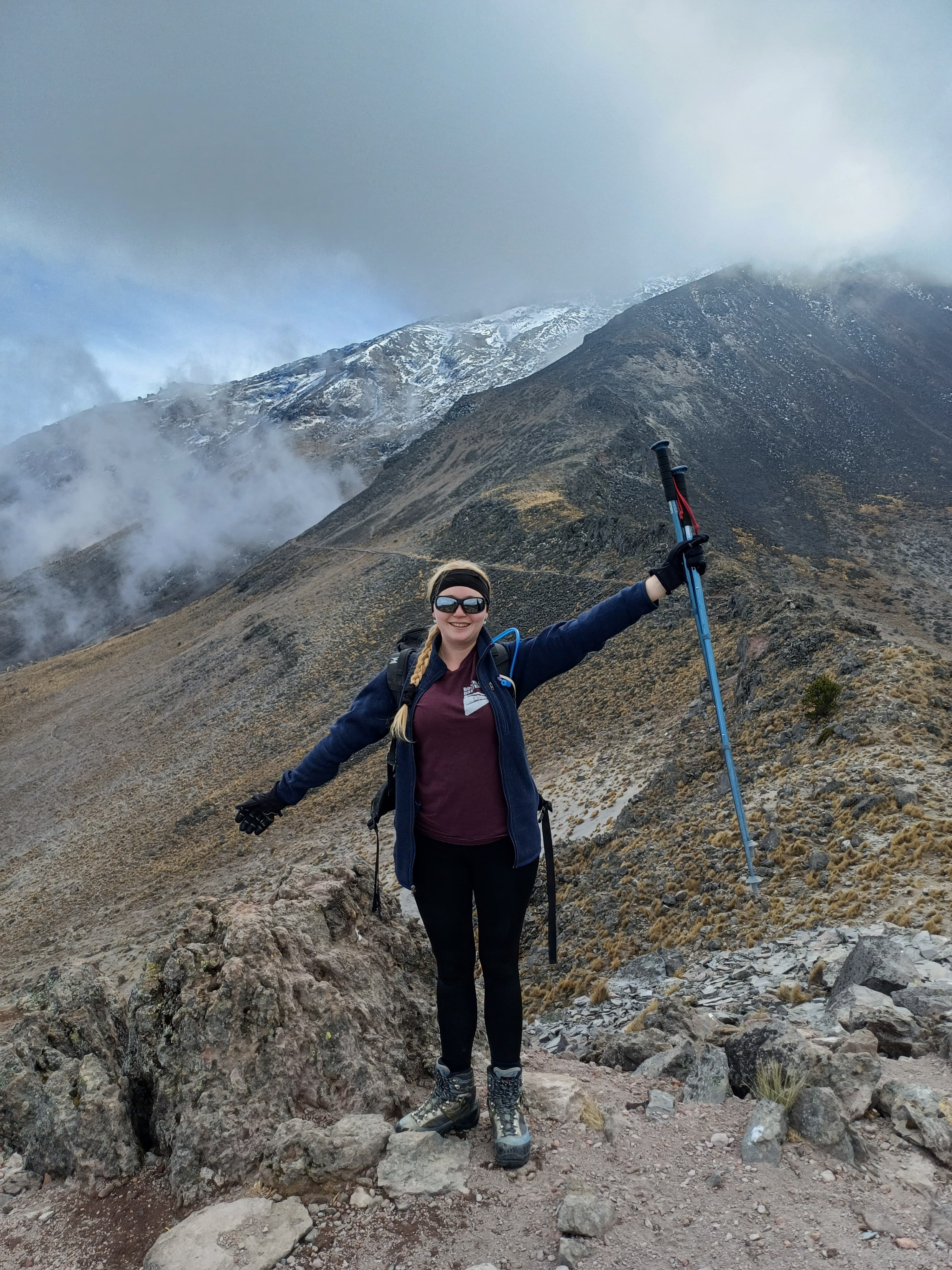
We spent the afternoon on an acclimatization hike up to one of the nearby ridges. The views were even more spectacular here, with sweeping vistas that made every breathless step worth it. By this point, the altitude was starting to feel more real, so taking it slow and steady was key.
That evening, after another hearty meal, it was straight to bed—at 5 p.m.! It felt a bit surreal tucking in so early, but with an 11:30 p.m. wake-up call for summit day, every minute of rest mattered. Lying there in my sleeping bag, surrounded by the buzz of anticipation and the crisp mountain air, I felt ready (and a little nervous) for what was to come.

A Few Final Tips
- Take acclimatization seriously. Climbing over 5,000m beforehand is almost essential unless you’re incredibly lucky with altitude.
- Bring the right gear. Warm clothes, good boots, and crampons are non-negotiable.
- Pack snacks. You’ll need the energy!
- Be kind to yourself. Turning around doesn’t mean failing—it means staying safe. Eventhough I didn’t make it to the top I honestly could not believe the beauty of the mountain and how high I climbed, this made it all worth it in itself. Don’t be put off by failure as even with failure it was the most worthwhile adventure!
Why You Should Climb Pico de Orizaba
Even without summiting, this was one of the most rewarding adventures I’ve ever had. The accessibility, the stunning views, and the challenge make it a truly unique experience. Mexico’s volcanoes offer something special you won’t find elsewhere—an epic mountain adventure just a stone’s throw from vibrant cities like Puebla and Mexico City.
So, if you’re fit, love a challenge, and want a story for the ages, put Pico de Orizaba on your list. Just make sure to prepare well, trust your guide, and soak in every second of this incredible journey!
 Annual Leave Explorers
Leave a comment